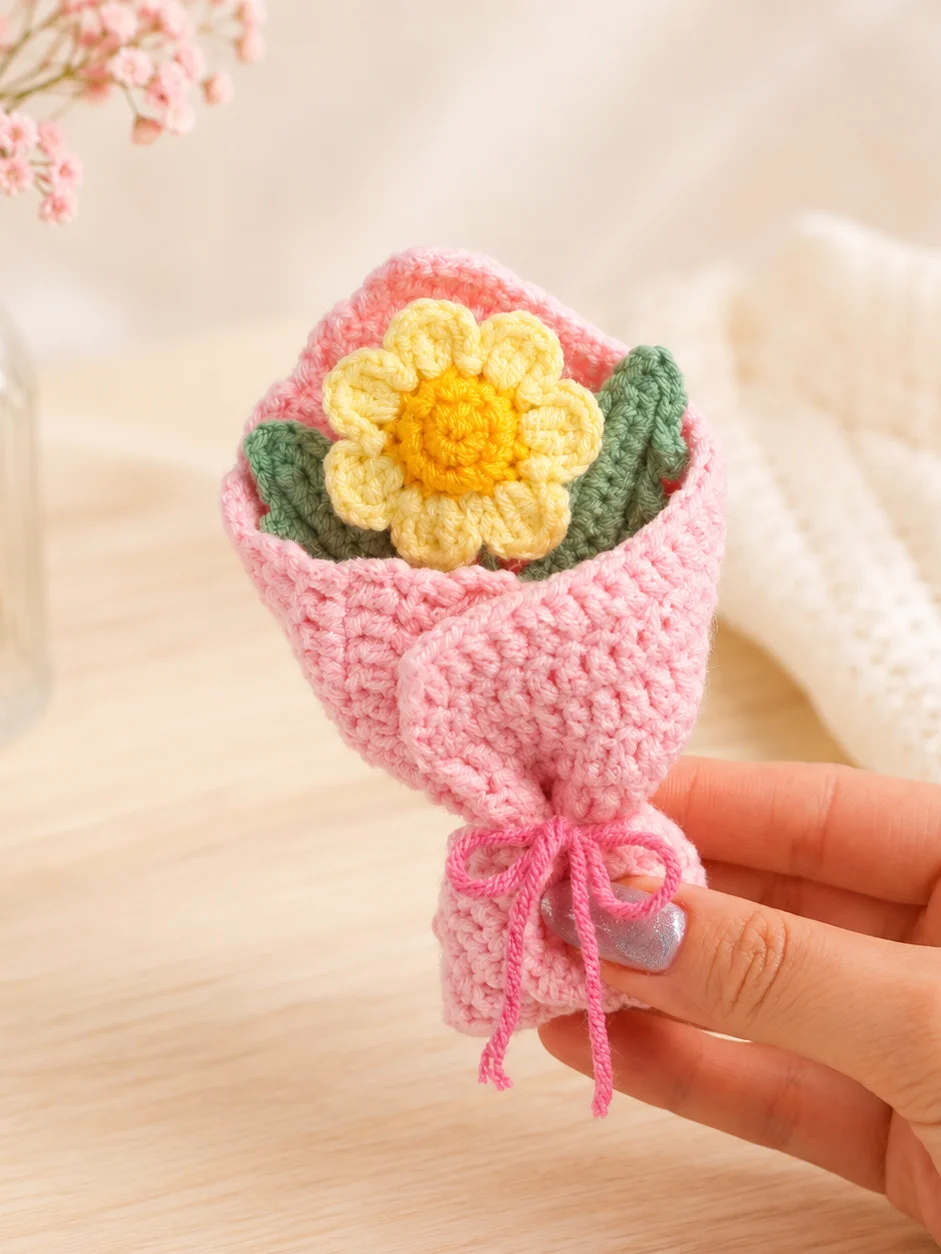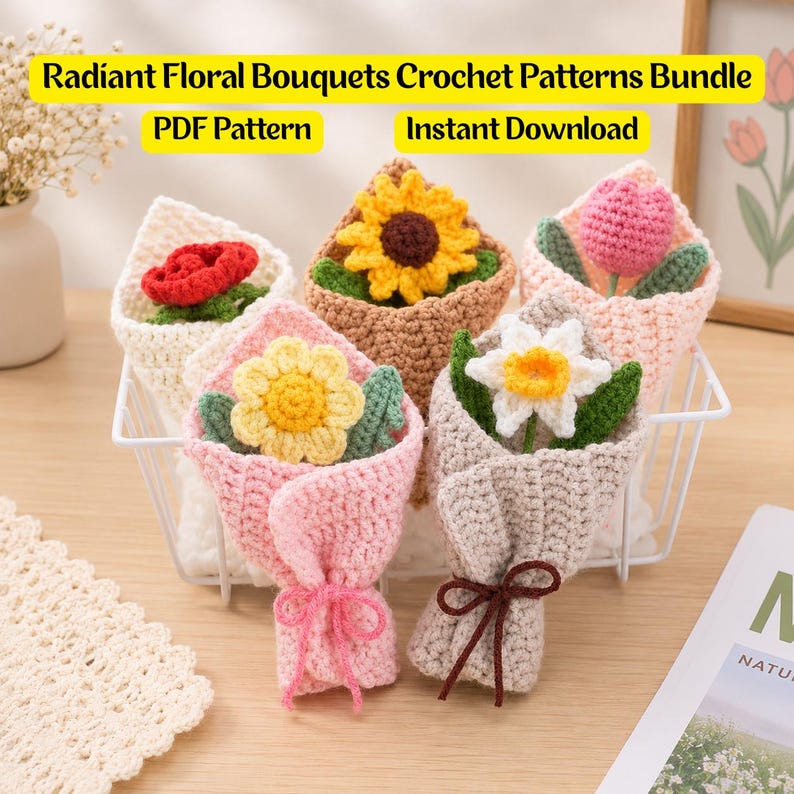
Radiant Floral Bouquets Crochet Patterns Bundle
Introduction
The Radiant Floral Bouquets Crochet Patterns Bundle brings together a collection of bouquet-inspired projects designed for decoration and gifting. As a crochet pattern bundle, it offers multiple floral designs in one package, giving crocheters variety without needing to purchase individual patterns separately. The focus is on handmade floral arrangements that can brighten a home or serve as thoughtful gifts for occasions throughout the year.
This article walks through what the bundle includes, who might enjoy it, the general skills involved, and practical tips for getting the most out of the patterns. Whether you are browsing for your next project or comparing crochet flower bouquet patterns, you will find a clear overview here.
You can explore the complete pattern details on the official product page or visit the Etsy shop for an alternative purchasing option. For more crochet inspiration, the main blog also features related content.
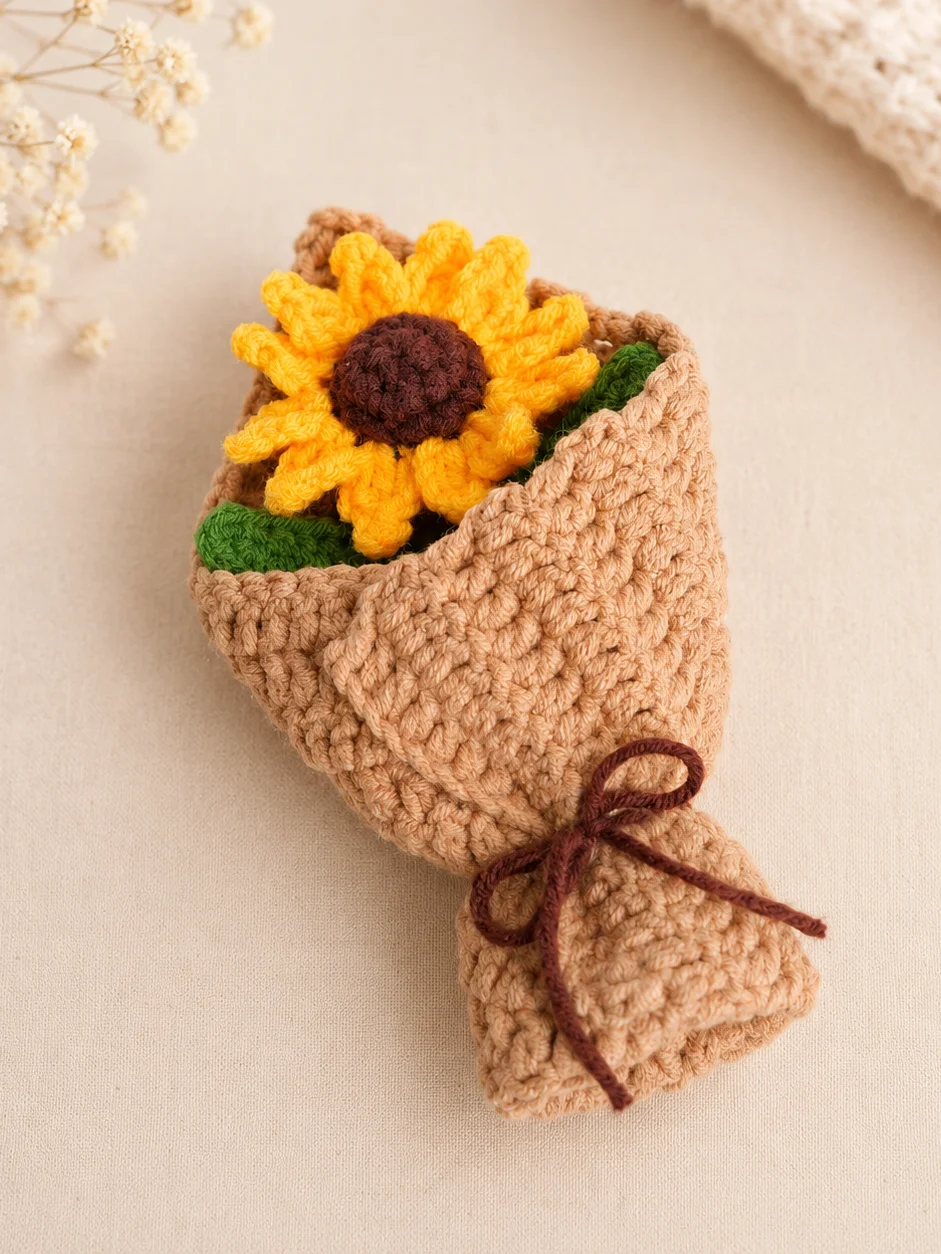
Pattern Overview
| Detail | Information |
|---|---|
| Pattern Name | Radiant Floral Bouquets |
| Project Type | Crochet Pattern Bundle |
| Category | Flower Crochet |
| Skill Level | Not specified |
What Is This Crochet Pattern?
The Radiant Floral Bouquets bundle is a digital collection of floral crochet patterns centered on the theme of handmade bouquets. Rather than a single flower design, the bundle format provides multiple patterns that work together as a coordinated set. This approach lets you create a full arrangement with varied bloom shapes, sizes, and textures, mimicking the look of a fresh-cut bouquet that never wilts.
Each pattern in the bundle is designed for decorative use—think vase arrangements, tabletop centerpieces, or wrapped gift bouquets. The category Flower Crochet indicates that the projects focus on botanical forms: petals, leaves, stems, and possibly filler elements like buds or greenery. Because it is a Crochet Pattern Bundle, you receive several designs in one download, which is efficient for crocheters who want a cohesive look across multiple flowers.
The visual style suggested by the title "Radiant" points toward bright, lively color palettes and possibly dimensional stitch work that catches light. The bundle concept also means the patterns are likely designed to complement each other in scale and style, so the finished bouquet looks intentional rather than a random assortment.
Why This Design Stands Out
Several factors make this bundle distinctive within the world of crochet bouquet pattern collections:
- Coordinated variety: A bundle eliminates the guesswork of mixing separate patterns. The flowers are designed to work together in scale, stem length, and aesthetic, so the final arrangement looks professionally composed.
- Year-round relevance: Floral bouquets are not tied to a single season. By choosing your own yarn colors, you can create spring pastels, summer brights, autumn tones, or winter whites from the same patterns.
- Gift-ready appeal: A handmade bouquet carries sentimental value that store-bought flowers cannot match. The bundle format lets you produce a complete gift in one project session.
- Decorative longevity: Crochet flowers require no water, sunlight, or maintenance. They hold their shape indefinitely, making them practical for spaces where fresh flowers would not thrive.
- Skill-building range: A multi-pattern bundle often includes a mix of simpler and more involved flowers, letting you practice different techniques—shaping, color changes, assembly—within a single project.
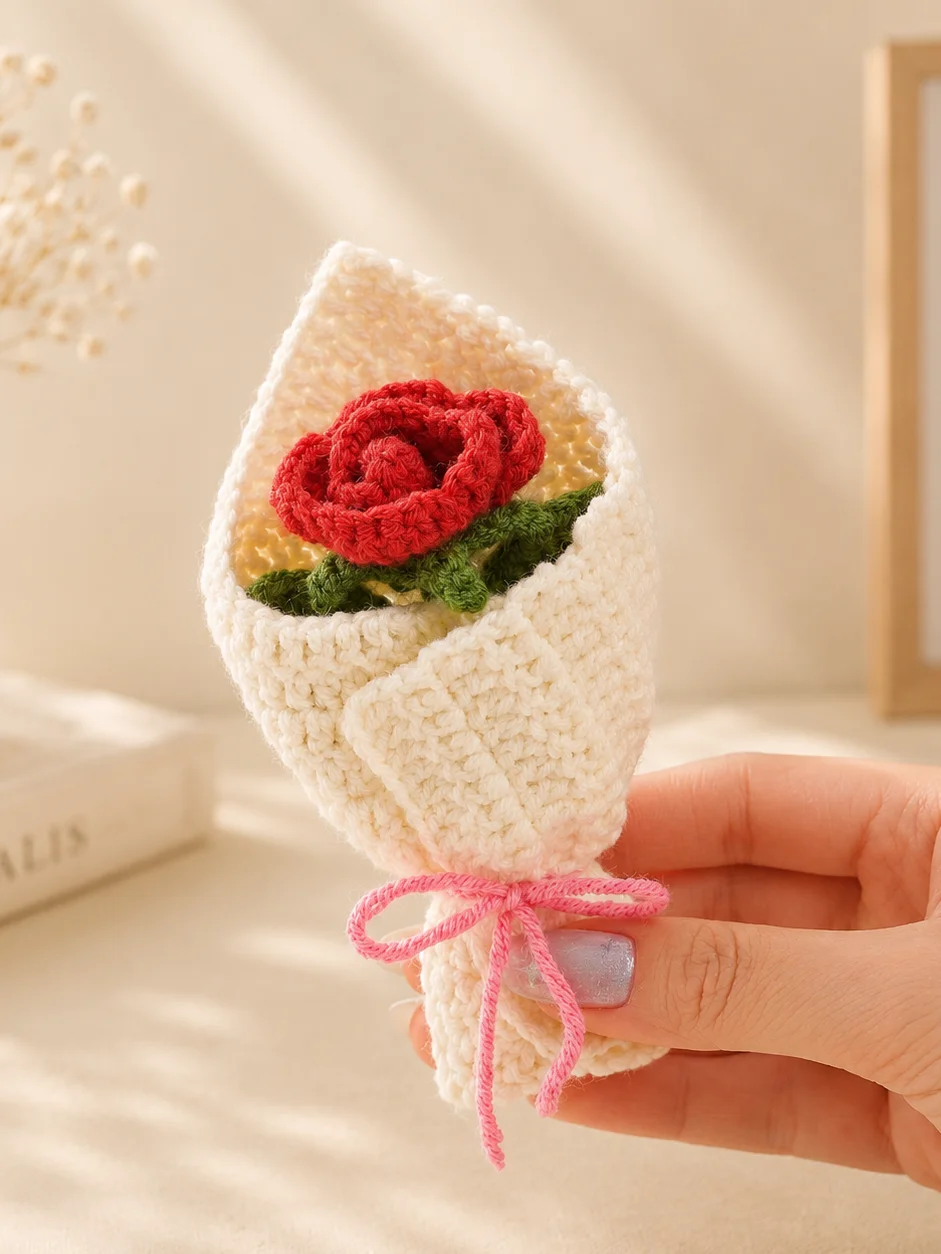
Who Is This Pattern For?
This bundle suits a range of crocheters, though the exact skill level is not specified in the product information. Based on the project type and category, the following audiences are likely to enjoy it:
- Crochet enthusiasts who want a themed project set rather than a single pattern.
- Handmade gift makers looking for a meaningful, customizable present for birthdays, anniversaries, Mother's Day, or hostess gifts.
- Home decor crocheters who enjoy creating permanent floral arrangements for vases, shelves, or wall hangings.
- Seasonal decorators who swap decor throughout the year and want a reusable bouquet they can recolor.
- Flower crochet fans who collect botanical patterns and appreciate a curated bundle.
Because the skill level is not specified, it is wise to review the full pattern description on the product page before purchasing. Some flower bundles include beginner-friendly blooms alongside intermediate designs, while others assume comfort with techniques like working in the round, shaping with increases and decreases, and sewing components together.
Crochet Skills You May Need
While the exact techniques are not listed in the available data, floral crochet bundles typically involve the following foundational skills. Treat this as a general guide—always check the complete pattern for the definitive requirements:
- Working in rounds or spirals: Most crochet flowers begin at the center and build outward in rounds.
- Basic stitches: Single crochet, half double crochet, double crochet, and slip stitch are standard for petal formation.
- Increases and decreases: Shaping petals, leaves, and centers relies on strategic stitch placement.
- Color changes: Multi-color blooms require clean yarn transitions, often at the start of a round or within a petal.
- Wire or stem insertion: Many bouquet patterns use floral wire wrapped with yarn or thread to create posable stems.
- Sewing and assembly: Attaching petals to centers, leaves to stems, and arranging the final bouquet involve a tapestry needle and sometimes hot glue or floral tape.
- Blocking: Light blocking helps petals lie flat and hold their intended shape.
If you are newer to these techniques, consider practicing the individual stitches on scrap yarn before starting the actual flowers. The bundle format is forgiving—you can begin with the simplest bloom and progress to more complex ones as your confidence grows.
Materials & Tools
The specific yarn weights, fiber types, hook sizes, wire gauges, and yardage requirements are not provided in the current product data. These details are typically included in the purchased PDF. For the exact materials list, please refer to the complete pattern documentation available through the product page.
As a general reference for flower crochet bundle projects, you can expect to need:
- Yarn in multiple colors (main flower colors, greens for leaves/stems, accent shades)
- Crochet hook(s) appropriate for the chosen yarn weight
- Floral wire or pipe cleaners for stem structure
- Floral tape for wrapping stems
- Tapestry needle for weaving ends and sewing pieces
- Scissors
- Optional: hot glue gun, stitch markers, blocking mats and pins
Because yarn substitution affects the finished size and drape, using the recommended weight and hook will yield results closest to the designer's intent. If you substitute, make a small test swatch or work one flower first to confirm you like the scale.
Project Preparation
A little preparation goes a long way with multi-pattern bundles. Here are practical steps to set yourself up for a smooth experience:
- Read all patterns first. Before cutting any yarn, skim every pattern in the bundle to understand the component count, construction order, and any special techniques.
- Organize your colors. Assign a yarn color to each flower type and label them with stitch markers or tags. This prevents mix-ups mid-project.
- Wind yarn into cakes or balls. Pre-winding reduces tangling, especially when working with multiple colors simultaneously.
- Gather non-yarn supplies. Have wire, floral tape, glue, and needles within reach so you don't interrupt your flow to search for them.
- Plan your bouquet composition. Decide how many of each flower you want, the overall height, and the color balance. Sketching a quick layout helps visualize the final arrangement.
- Set up a workspace. A clean, well-lit area with room to lay out finished components makes assembly much easier.
How the Project Comes Together
At a high level, a crochet bouquet bundle follows a modular construction process. Each flower is made independently—center first, then petals, then leaves—before everything is assembled into the final arrangement. This modular approach has several advantages: you can work on one flower at a time, pause between blooms, and adjust the bouquet composition as you go.
Typical workflow for a crochet bouquet pattern bundle:
- Create flower centers. These are often small circles or domes worked in the round, sometimes with textured stitches for pollen detail.
- Work petals. Petals may be crocheted directly onto the center, made separately and sewn on, or worked in layers for dimension.
- Crochet leaves and sepals. Leaf shapes vary from simple ovals to serrated or lobed forms. They are usually worked flat or in short rows.
- Prepare stems. Cut floral wire to desired lengths, then wrap with yarn or floral tape. Some patterns crochet a tube directly over the wire.
- Attach components. Sew or glue petals to centers, secure leaves along stems, and fasten flowers to the main stem bundle.
- Arrange and finish. Position flowers at varied heights and angles for a natural look. Wrap the stem bundle with floral tape or a decorative ribbon. Trim wire ends and secure.
The bundle format means you will repeat this cycle for each flower type. The patterns likely share a consistent stem-making method so the finished bouquet feels unified.
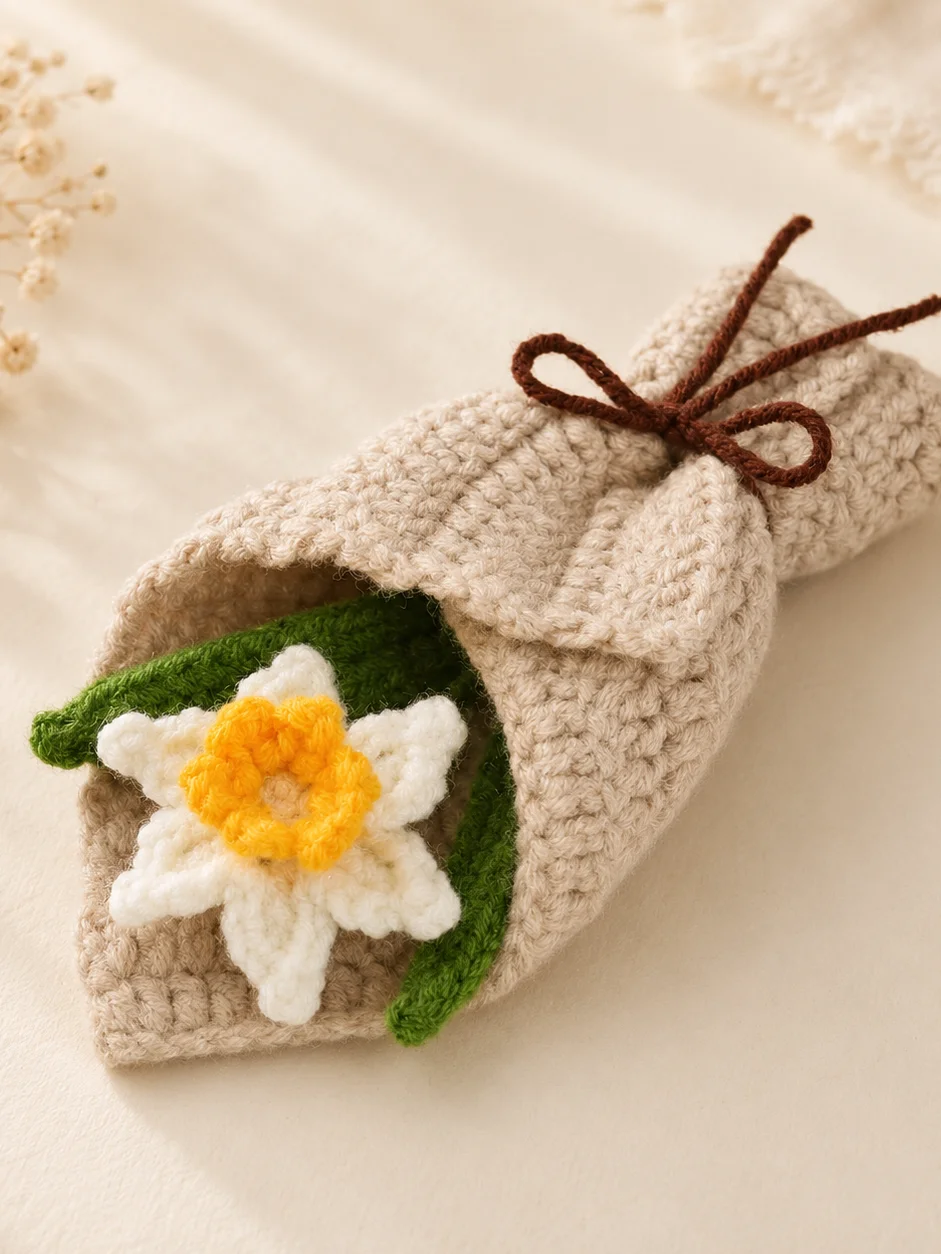
Color & Yarn Ideas
One of the joys of a floral bundle is complete color control. Since no specific yarns are mandated in the available data, you can tailor the palette to any theme or recipient. Here are a few direction ideas:
- Classic garden: Cream roses, blush peonies, lavender accents, sage greens—timeless and elegant.
- Sunburst brights: Yellow marigolds, orange poppies, coral zinnias, deep green foliage—energetic and cheerful.
- Monochrome elegance: White, ivory, and ecru flowers with silver-gray leaves—modern and sophisticated.
- Seasonal palettes: Pastels for spring, jewel tones for summer, burnt orange and gold for autumn, icy blues and whites for winter.
- Recipient favorites: Match the bouquet to a loved one's favorite colors, birth flower hues, or wedding palette.
When selecting yarn, consider fiber content for the effect you want. Cotton and linen blends give crisp, defined petals that hold shape well. Acrylic and wool blends offer softer drape and a slightly fuzzier texture. Variegated or gradient yarns can create beautiful ombré petals without manual color changes, though they offer less control over color placement.
For stems, a sturdy green yarn in a similar weight to your flowers keeps the visual weight balanced. If the pattern uses floral wire wrapped with yarn, a smooth, non-fuzzy yarn wraps cleanly.
Helpful Crochet Tips
These practical tips apply specifically to multi-floral bouquet projects and can improve both your process and the final result:
- Keep tension consistent. Uneven tension across different flowers leads to size mismatches. If you notice your stitches tightening or loosening over a session, pause and reset.
- Use stitch markers for round starts. Flower centers and petal rounds can be hard to track. A locking marker at the beginning of each round prevents accidental extra or missed stitches.
- Block petals before assembly. Lightly steam or wet-block each petal set to the pattern's suggested dimensions. Blocked petals lie flat, sew on cleanly, and hold their curve better.
- Test one flower fully. Complete a single bloom from center through stem attachment before mass-producing. This reveals any confusing steps and lets you adjust hook size or yarn choice early.
- Pair wires to stem length. Cut all wires for a given flower type at once using a template length. Uniform stem lengths make arranging significantly easier.
- Wrap stems tightly. Whether using floral tape or crocheted covers, tight wrapping prevents the bouquet from looking loose or floppy over time.
- Arrange in hand before final wrap. Hold the gathered stems and adjust flower angles and heights until the silhouette pleases you. Only then secure the final binding.
Common Mistakes & How to Avoid Them
| Mistake | Solution |
|---|---|
| Flowers vary noticeably in size | Check gauge or tension on a test flower; use the same hook and yarn for all blooms of a type; block each to the same dimensions |
| Stems bend or collapse under flower weight | Use heavier-gauge floral wire; double-wrap stems; consider a wire core inside crocheted stem tubes |
| Petals curl or refuse to lie flat | Block each petal set individually; ensure stitch counts match pattern; avoid over-tight tension on outer rounds |
| Color changes leave visible jogs or gaps | Use the invisible join or standing stitch method for round transitions; carry unused yarn loosely along the back if changing frequently |
| Bouquet looks sparse or unbalanced | Plan flower quantities and heights before assembly; add filler elements (buds, berries, extra greenery) to fill gaps |
| Seams and sew-on points are visible | Use mattress stitch or whip stitch with matching yarn; sew through both loops for strength; position seams toward the back or underside |
| Wire ends poke through wrapping | Bend wire tips into small loops with pliers before wrapping; cover ends with a dab of hot glue before floral tape |